Ideas for Action and Collaboration

Occasionally, people tell me they would like to get involved with social action, but they aren't sure where to begin. I encourage people to take a first step by working with those who are already engaged. Don't start from scratch. Don't reinvent the wheel. Skip the beginners mistakes by working with professionals already active on the ground. One easy first step is to raise money for projects and organizations that you respect. In the process you will hopefully learn more about the issues involved and will be increasingly prepared to expand your efforts on a given issue. Here are four quality Seventh-day Adventist campaigns, projects and organizations that your APF Peace Chapter or Peace Church could support:

ENDITNOW CAMPAIGN. The Adventist News Network and Adventist Today recently highlighted this campaign to end violence against women and children (link), and I interviewed Heather-Dawn Small in 2010 (link). "To learn more about enditnow and its digital resources, visit www.enditnow.org. Also, to learn how to implement a campaign in a local congregation, go here."

IRAQ REFUGEES (ADRA). We all would like to end the violence in Iraq and in other parts of the region. One positive action we can take is to support ADRA's efforts to care for those displaced by the violence. Read more at Adventist Today.

Natalia López-Thismón, Associate Director for Communication at ADRA International, shared: "You can give to the Middle East Emergency Response Fund at ADRA (you just make your check out to that or call in). Alternatively, you can contact ADRA Kurdistan directly and make your contribution. The churches could hold fundraisers for these efforts. It would be very helpful."

REFUGEE MINISTRY (AFM). Adventist Frontier Missions reports: "During the summer of 2014, more than 1 million people were forced to flee their homes in northern Iraq. Most were offered a simple choice by radical Islamist fighters—convert, leave or die. Today, more than 1 million IDP have fled into Kurdistan, a region in northeast Iraq, where they have found temporary sanctuary. Many are living in schools, churches, church-yards and other public facilities. Many are Christians who were driven out simply because they bear the name of Christ. They cannot return to their homes, and they have no end destination for their journey." "We have already started to minister to the physical needs of the IDP of northern Iraq through a latrine and shower project for IDP families, but we want to combine this with ongoing ministry for the spiritual needs of the IDP and their host communities" (link).

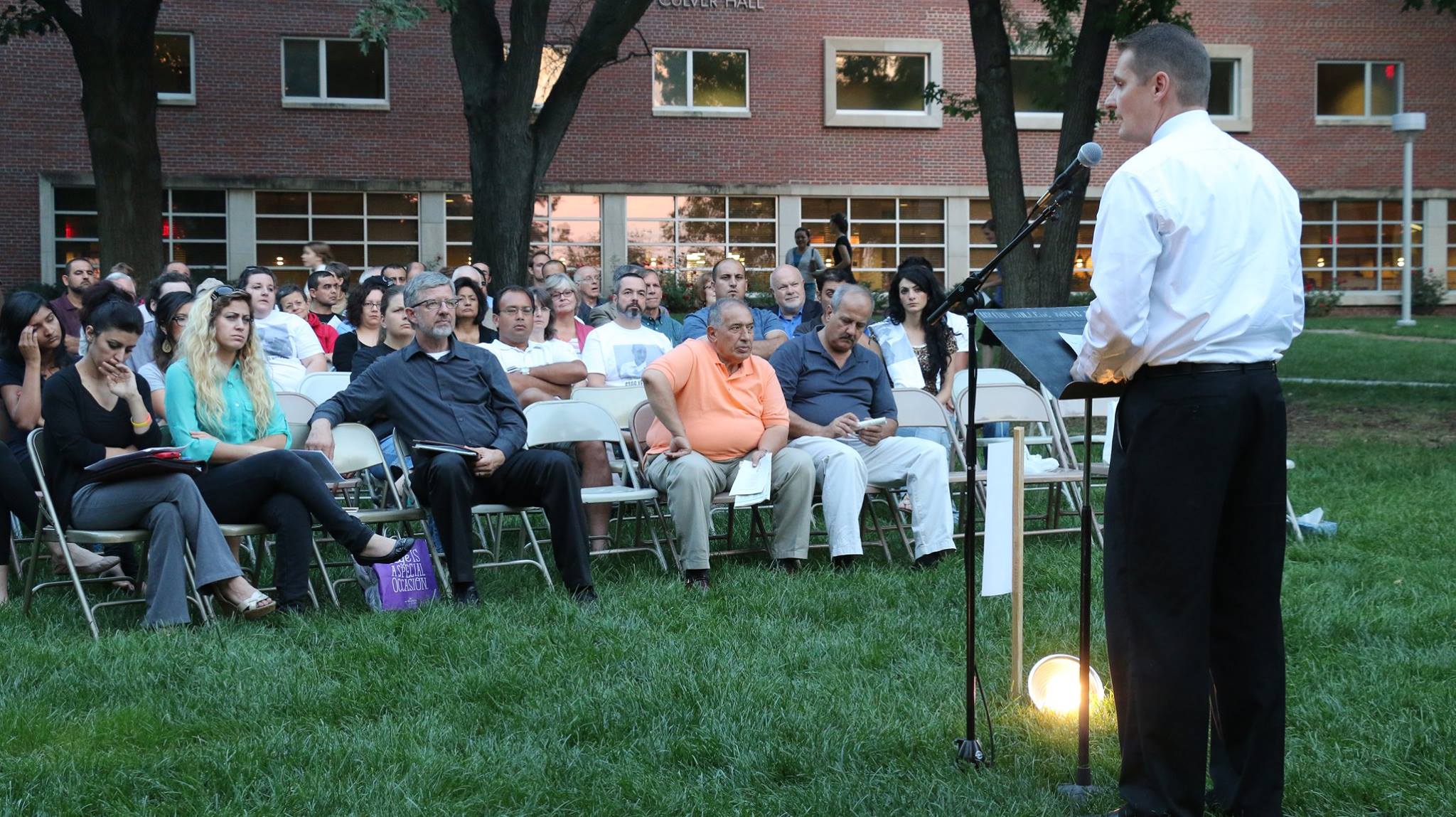
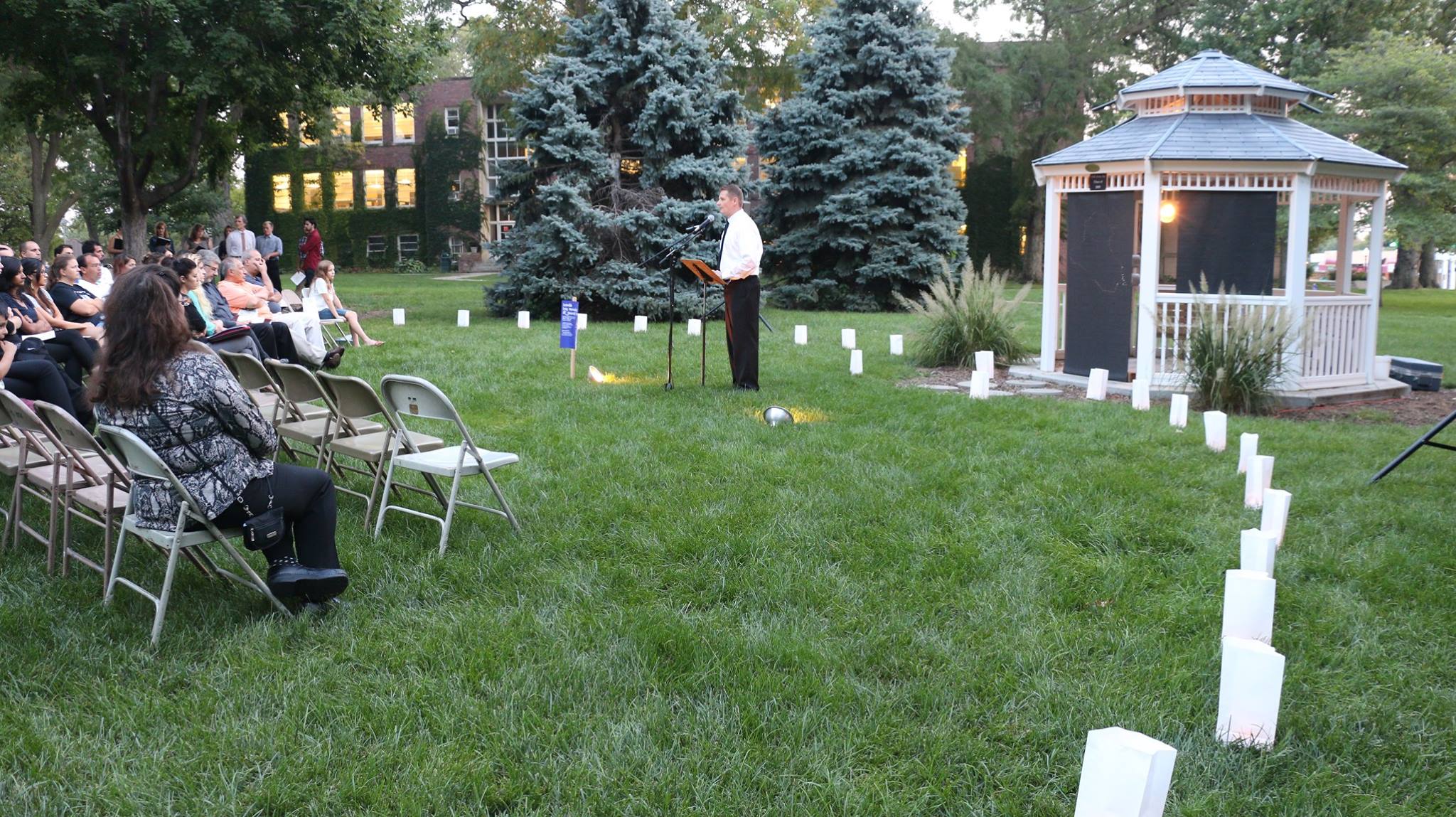
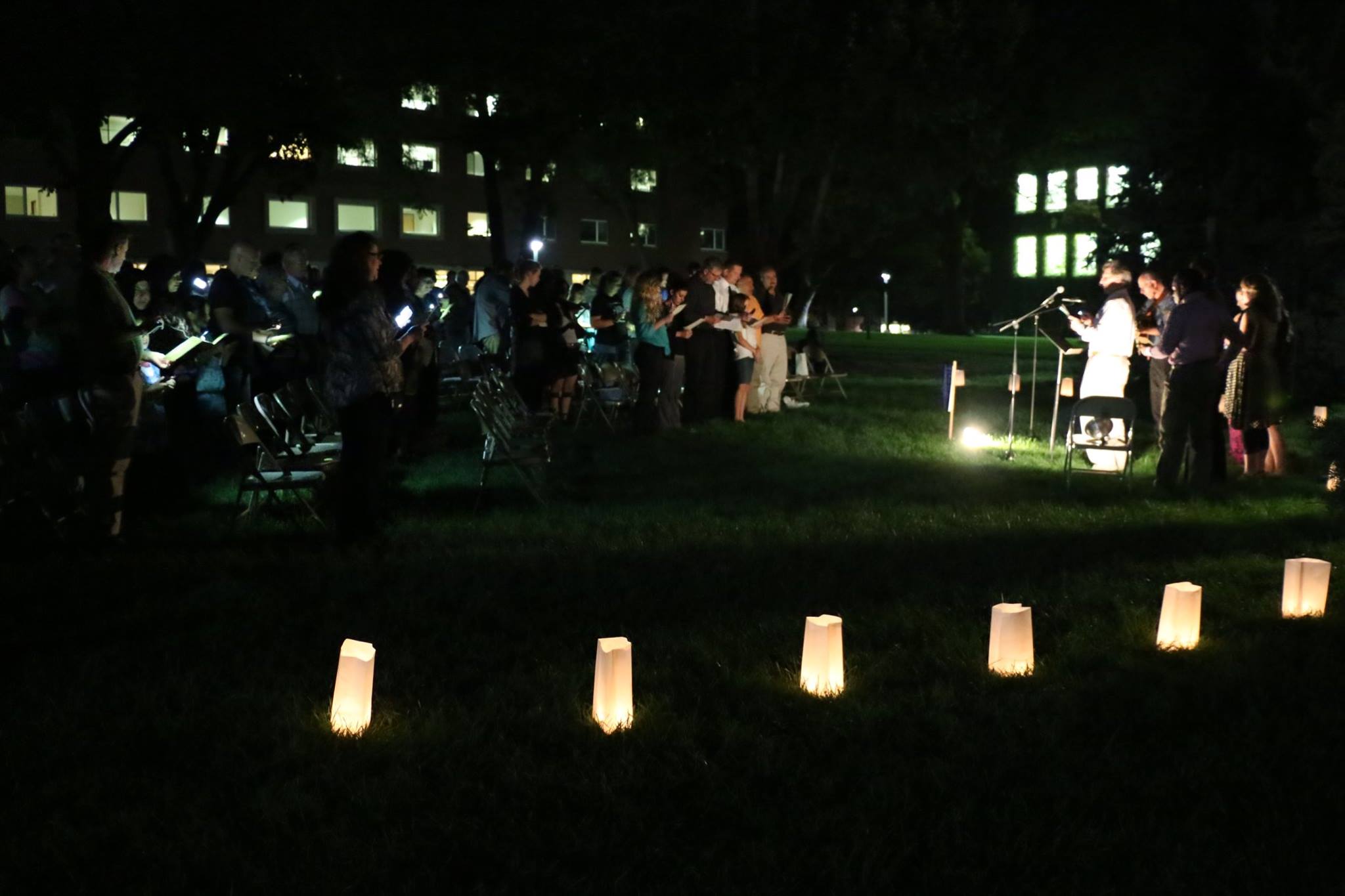
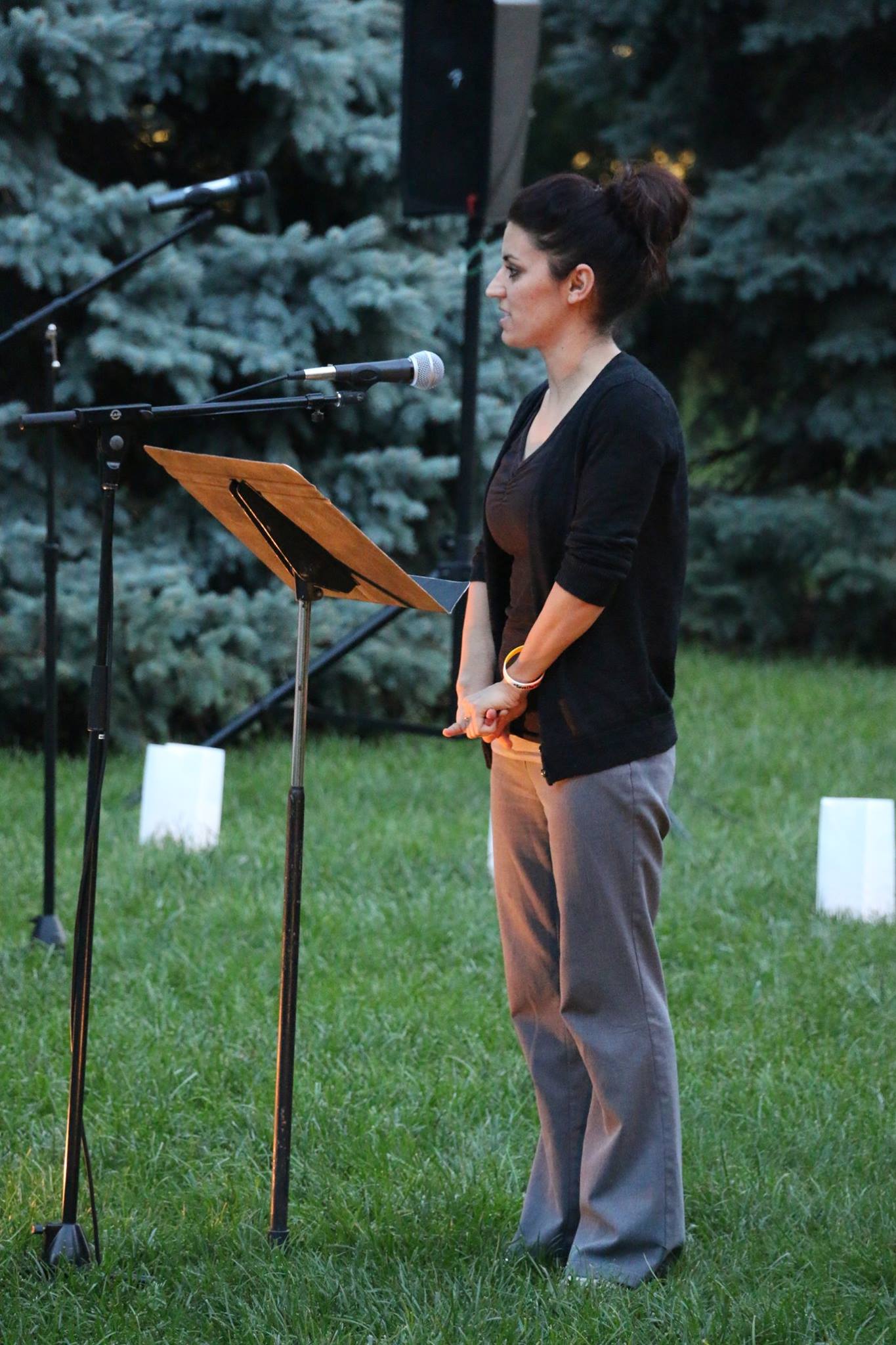
Click here to watch Conrad Vine and Doug Hardt sharing about this project on 3ABN. While living in Lincoln, NE, Doug was active in this work; see Union College Hosts Interfaith Iraq Memorial and College View Academy Hosts Fundraiser for ISIS Victims.

KEEP GIRLS SAFE (Human trafficking; ADRA Thailand). "The girls at the Keep Girls Safe shelter are all from extremely poor families, most of them from different villages in the hills and jungles of Northern Thailand. The shelter is able to accommodate up to 40 girls, most of whom have come from difficult backgrounds caused by sickness, death, drugs, abuse, and lack of care and education. These and other factors may lead to human trafficking, which is prevalent in this area of Southeast Asia. Reports say that girls as young as 8 years old are forced into prostitution, but others are exported to developed countries in Asia, North America, and Europe, where they are forced to do menial tasks with little or no pay, work long hours, and receive no benefits or medical care" (Adventist World, 2014). Read more at ADRA International, ANN (2006), ADRA AU, and an ADRA video (2009).

There are numerous organizations you can partner with, both locally and internationally, but any of these four Adventist ministries would be a great place to start if you want to do something but just aren't sure how to begin.

ANN: Religious Liberty Experts Examine Peacemaking Power of Faith

Adventist News Network: August 19, 2015 | Silver Spring, Maryland, United States | Bettina Krause and Barry Bussey

A group of scholars, lawyers and religious freedom advocates met last week to challenge a widespread belief that religion is primarily a divisive force in society, fuelling tension and violence. The 17th annual “Meeting of Experts,” organized by the International Religious Liberty Association (IRLA), brought together some 20 academics at Pepperdine University School of Law in Malibu, California, to consider the role of religion in current global conflicts, and to focus on ways that faith can, instead, be a powerful force for peacemaking and conflict resolution.

“We need to use faith anchored in forgiveness and reconciliation,” said Ambassador Robert A. Seiple, a former United States Ambassador at large for Religious Freedom, and current IRLA president. “We need to know our own faith, and likewise, we need to understand our neighbour’s faith and respect it.”

Ambassador Seiple, who gave the first of ten major presentations, focused on his firsthand experience with the horrific 1994 Rwandan genocide. He described visiting the country in the aftermath of the violence and standing on a bridge over a river clogged with hundreds of decaying bodies. According to Ambassador Seiple, one of the most troubling aspects of the Rwandan genocide is that it took place within a “Christianized” country—some 85 percent of the total population identified themselves as Christian. But in spite of this colossal failure on the part of churches in 1994, religious values have since played a vital role in rebuilding social stability. As Rwandans have reclaimed their country, they have shown the world the power of forgiveness, said Ambassador Seiple. He noted that many perpetrators of the genocide are today living side-by-side with their victims.

According to Dr. Ganoune Diop, Secretary General of the IRLA, each presentation during the four-day event was shaped in some way by two key questions: “How can we live with our deepest differences?” And, “How can the best of religions overcome the abysmal record of religious wars, religious ethnic cleansing, and genocides fuelled by religious discrimination?”

Although the Meeting of Experts examines these questions from a scholarly perspective, the issues that drive the work of these scholars are far from abstract. “Too many people suffer discrimination, persecution, or even martyrdom or genocide because of their religious differences,” says Dr. Diop. According to a Pew Forum study released earlier this year, some 5.5 billion people—or 77 percent of the world’s population—live in countries with “a high or very high overall level of restrictions on religion.”[1]

The meeting brought together a diverse panel of scholars who represented universities and organizations from seven countries. Presenters included Dr. David Little, Professor Emeritus of Harvard Divinity School; Reverend Canon Brian Cox, Senior Vice President of the International Center for Religion and Diplomacy; Professor Cole Durham, President of the International Consortium for Law and Religion Studies based in Milan, Italy; Professor T. Jeremy Gunn, professor of International Relations at Al Akhawayn University in Ifrane, Morocco; and, Dr. Amal Idrissi, law professor at the University of Moulay Ismael in Meknes, Morocco.

Over the past two decades, the Meeting of Experts has aimed to bring together some of the world's foremost scholars and practitioners in the field of religious freedom to track legal and sociological trends. Papers presented at the annual meetings are published, and have produced a significant body of academic and practical resources. The papers from this year’s Meeting of Experts will be published in the 2015 edition of Fides et Libetas, which will be available later this year from the IRLA, which can be contacted through its website at www.irla.org or its Facebook page at www.facebook.com/IRLA.HQ.

The IRLA was established by the Seventh-day Adventist Church in 1893 and is the world's oldest religious freedom advocacy organization. It promotes freedom of belief for all people, regardless of faith, and has non-governmental organization status at the United Nations. Along with the annual Meeting of Experts, the IRLA sponsors regional religious freedom festivals and forums, and every five years organizes a world congress, which attracts an international mix of scholars, legal practitioners, government officials and human rights advocates.


[1] For the full study, visit the Pew Forum website at www.pewforum.org/2015/02/26/religious-hostilities/

Adventist and Muslim Activists Promote Faith-based Engagement

Geoffrey Nelson-Blake (an Adventist minister and the director of interfaith Community Organizing Residency at Bend the Arc: A Jewish Partnership for Justice) and Sarah Jawaid (a Muslim community organizer) recently co-authored a Huffington Post article on the role of faith in social action--"Faith in Our Streets." The authors note what they believe are deficiencies in the Pew Research Center's recent report on America's diminishing religiosity. They report routinely encountering people "experiencing their faith outside the walls of a church, synagogue, or mosque. It's harder to quantify the role faith plays for people expressing their values through fighting for justice, but it's an important piece of the current puzzle of faith in America that we won't find in the Pew study."

To back up their claims, Geoff and Sarah present stories of social action.

Last fall, faith leaders joined ranks with peaceful protesters in Ferguson to demand justice for black lives and capture the stories of heartbreak and hope lost in the news. This past Hanukkah, Jews and Muslims demonstrated together in New York City to decry police brutality. An interfaith rally led by Pastor Jamal Bryant united the Baltimore faith community in hopes of healing after the death of Freddie Grey in police custody. These voices made an impact and the other week, President Obama announced banning military-grade weapons at local police departments.

The authors conclude by pointing out two expressions of faith-based activism--one that divides and one that unites. They share:

Too many people associate faith activism with those who abuse faith language to promote exclusionary and regressive policies. We saw that recently in the language used to promote Indiana's so-called Religious Freedom Restoration Act, which promoted discrimination against the LGBT community. People in power often abuse faith to divide and keep communities separate from one another. However, as the American landscape of faith becomes more diverse -- racially, ethnically, and religiously -- we can expect to see more diversity in how faith is expressed and the impact it has -- personally, communally, and in our streets.

The entire article can be read here: "Faith in Our Streets" (Nelson-Blake and Jawaid, Huffington Post, June 2, 2015).

Featured Image Credit: By Fibonacci Blue from Minnesota, USA [CC BY 2.0 (http://creativecommons.org/licenses/by/2.0)], via Wikimedia Commons.

Anaheim Congregation to Mark Adventist Peace Sabbath

The Adventist Peace Fellowship has designated May 23, 2015 as the first annual Adventist Peace Sabbath. On a weekend when our nation remembers those who have lost their lives in war, this Sabbath will be an opportunity to be inspired again by Jesus’ vision of peace for the world. Dr. Jeff Gang, DMin., Pastor for the Anaheim SDA Church will be giving a presentation on F.M. Wilcox’s seminal book Seventh-day Adventists in Time of War (R&H: 1936) at 9:30 AM. Dr. Zane Yi, PhD., Assistant Professor in the School of Religion at Loma Linda University, will be preaching the sermon in the main worship service at 11:00 AM. A special “Litany for Peace” is also planned for the service. For more information please visit http://anaheimadventist.org.

APF Sabbath brochure-1 (2) v2APF Sabbath Brochure (PDF)

Andrews University holds panel on social justice with Mark Finley

IMG_8673

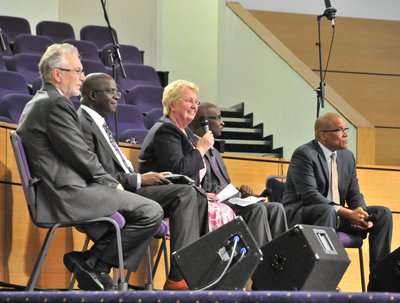
On Thursday, January 29, a panel discussion including Mark Finley, Nicholas Miller, and Sherine Brown-Fraser, was held in the lobby of the Howard Performing Arts Center at Andrews University. The panel answered questions centered on the topic: “The Role of Seventh-day Adventists in Social Justice.” Questions included: What social justice issues should the SDA church be or not be involved in? Are ethnically separate conferences a social justice issue? What social justice issues do you (directed at the panel) find pressing? Brown-Fraser, being the Chair of the Department of Public Health, Nutrition and Wellness, stressed food disparity. Miller, a professor of church history, noted that Adventists were once vocal on topics such as abolition and temperance, but lost their social gospel message and became silent on issues such as Civil Rights. Now, Miller mentioned, Adventists say little on race, torture, immigration, and sex trafficking. Finley, Assistant to the General Conference President with regard to global evangelism, pointed to creation as the basis for social justice. Finley pointed out organizations such as ADRA that do such works as digging wells. When a woman who walks three miles a day to get water sees a well gushing in her own village, “that’s social justice,” Finley said. Education seemed to be the preferred method of fixing social injustice, but the overall appeal of the panel to the Andrews University campus was that each person would find the issue that “gets their heart beating” and work towards justice.

By Łukasz Krzywon, AU APF student leader

Shall I or Shall We War?

Submitted by Pastor Dr. Mark A. McClearySenior Pastor, Liberty Seventh-day Adventist Church, Windsor Mill, MD

In the 60s, the musical group Chilites rhetorically asked, “War, what is it good for? Absolutely nothing. Say it again!” Marvin Gaye, the soulful balladeer, caused us to reflect on war’s impact when he asked, “What’s going on?—Brother, brother, brother, there is far too many of you dying. Mother, mother, mother, there is far too many of you crying.” These lyrical prophets speak to the reverberating issues and negative impact of war, then and until now.

Shakespeare’s Hamlet pondered this topic at the micro and interpersonal level when he asked, “To be or not to be, ah, that is the question?” George Hebert Meade describes the individual and socialization via the metaphor of “I” and “Me.” The former is the individual as idiosyncratic initiant, and the latter as the situated person within society, sending and receiving influencing messages. Thus, Shall I or We War? indicates the personal and public dynamics and decisions involved in war.

Christopher Marlowe stated, “Accurse be he that first invented war.” On the other hand, Francis Edward Smedley declared, “All is fair in love and war.” Ironically speaking, both are right in my opinion. War is terrible at the individual and corporate levels, and yet the effectual ends of war seem to legitimize even the terribleness of war. Perhaps William Sherman’s assertion helps explain this conundrum—“the legitimate objective of war is a more perfect peace.” This seems to be the battle cry of jingoist protagonists and religious pulpiteers who are pro-war in Iran, Korea, the Middle East, or wherever USA Manifest Destiny is hampered. This is especially the case after the recent beheading of the American journalist by Isis. It seems similar to the nationalist pep-rally-like rhetoric of George W. Bush after 911—“the folk who did this will hear from us soon.” Bush made this prediction before any alleged hijacker was identified and before he launched what turned out to be a bogus hunt for weapons of mass destruction. Said weapons, if found would have been used to confirm Iraq and Sadaam Husein's blame for the 911 tragedy. Shall I or shall we war? According former President Bush, "Yes."

220px-S._Baring-Gould_portrait

Human history is a record of war in various manners—between men and women (James Thurber), Civil War (100 Years War in England and between the North and South in the USA), pre-1989 Cold War between the USA and its democratic allies and the USSR, and lastly, the Medieval Crusades until today’s Christian West versus the Islamic fundamentalists. How ironic that a popular Christian hymn, Onward Christian Soldiers, written by Sabine Baring-Gould, affords Christian individuals and groups to sing heartily, “On onward Christian soldiers, marching as to war, with the cross of Jesus going on before. Christ the royal master, leads against the foe, forward into battle see His banners go.” Shall I or shall we war?

The New Testament writer, James, explains the cause of war when he says, “Where do wars and fights come from among you? Do they not come from your desires for pleasure that war in your members? You lust and do not have. You murder and covet and cannot obtain. You fight and war” (James 4:1, 2, NKJV). Perhaps, the mention of war sends chills up your back. However, on this side of the Tree of Knowledge of Good and Evil, history and present media outlets report that war is a present and future reality for individuals and global society.

Conclusions

God’s guidelines for Israel, in anticipation of encounters with non-Jewish peoples as they traveled to and later occupied the Promise Land are as follows:

  • War is with an enemy and not a friend.

  • War is a final reaction to oppressive interactions that would not respond to positive peace negotiations.

  • War, sanctioned by God, is to protect His people from the corrupting influence of the aggressor and infidel.

  • War, authorized by God, will result in salvation for His people and their land.

The Lord, maybe not some individuals and groups, loves all people—Iraqis, Palestinians, Israelis, Ukrainians, and Koreans—“For God so loves the world…” (John 3:16). God is no respecter of persons, regardless of nationality or ethnicity, gender, or social-economic status. I suggest that the President, war pundits, grieving families, and every “I” and “We” consider war according to counsel. I trust in the practice that a multitude of input is safer than impulsive reactions (Prov. 11:4).

I look forward to the day when all wars—Ferguson, MO, environmental upheaval, legislative, religious, micro and macro—will be moribund.

There shall come forth a Rod from the stem of Jesse, and a Branch shall grow out of his roots. The Spirit of the Lord shall rest upon Him, The Spirit of wisdom and understanding, The Spirit of counsel and might, The Spirit of knowledge and of the fear of the Lord. His delight is in the fear of the Lord, And He shall not judge by the sight of His eyes, Nor decide by the hearing of His ears; But with righteousness He shall judge the poor, And decide with equity for the meek of the earth; He shall strike the earth with the rod of His mouth, And with the breath of His lips He shall slay the wicked. Righteousness shall be the belt of His loins, And faithfulness the belt of His waist. “The wolf also shall dwell with the lamb, The leopard shall lie down with the young goat, the calf and the young lion and the fatling together; and a little child shall lead them. The cow and the bear shall graze; their young ones shall lie down together; and the lion shall eat straw like the ox. The nursing child shall play by the cobra’s hole, and the weaned child shall put his hand in the viper’s den. They shall not hurt nor destroy in all my holy mountain, for the earth shall be full of the knowledge of the Lord as the waters cover the sea (Isa. 11:1-9, NKJV).